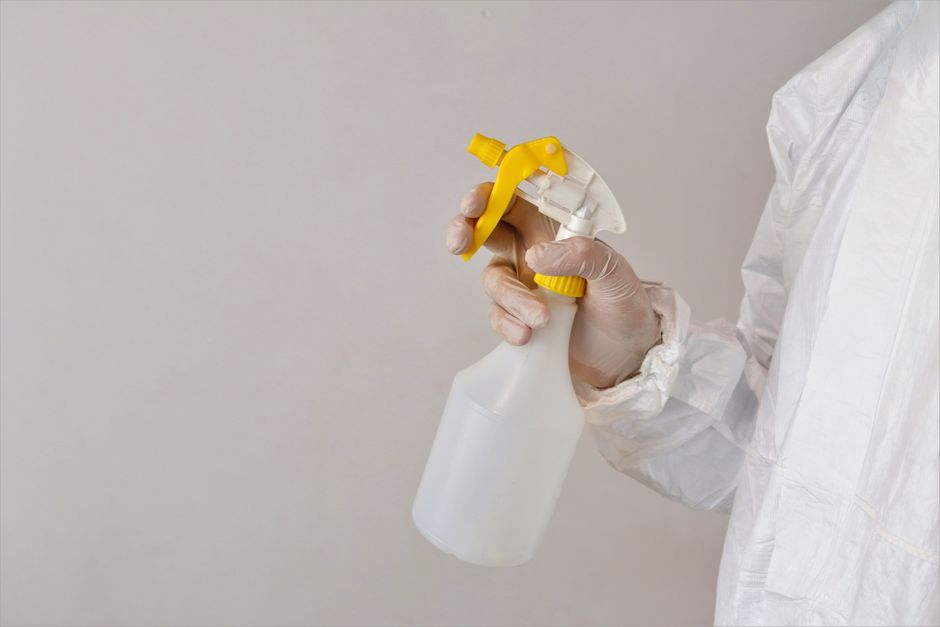
Fire-safety cleaning standards for Putney HMOs
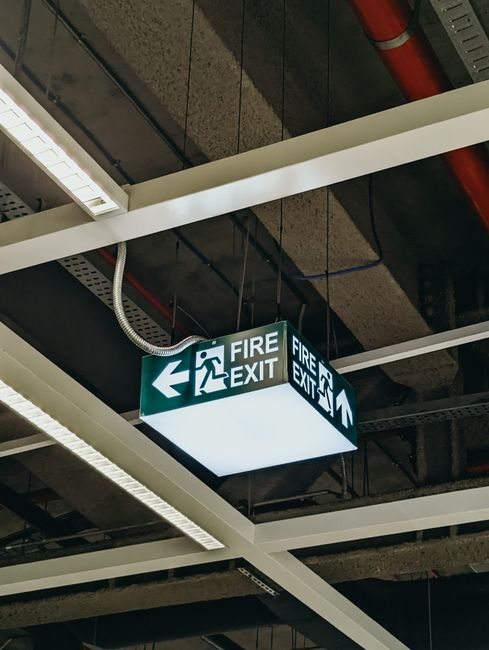
If you manage or live in a shared house, you already know how quickly a small mess can turn into a bigger problem. A dusty hallway, lint near a heat source, grease in a kitchen extractor, or a cluttered escape route may look harmless on an ordinary Tuesday. In an HMO, though, those details matter more than most people realise. This guide to Fire-safety cleaning standards for Putney HMOs explains what good cleaning looks like, why it affects fire risk, and how to keep communal areas, soft furnishings, and high-use spaces in far better shape without making the process complicated.
Putney HMOs tend to have the usual pressure points: shared kitchens, busy entrance halls, stairwells that get used constantly, and residents with different habits and routines. That means cleaning is not just about appearance. It is part of a wider fire-risk management routine. The good news? With a sensible system, a few checks, and the right priorities, it becomes manageable rather than stressful. Let's break it down properly.
Why Fire-safety cleaning standards for Putney HMOs Matters
Fire safety in an HMO is never just one thing. It is a combination of design, occupant behaviour, maintenance, and cleaning. When cleaning slips, the risk tends to rise in very ordinary ways. Dust builds up on vents. Grease settles on kitchen surfaces. Fluff gathers near radiators. Shared carpets hold more debris than a private home. And if rubbish, cardboard, laundry, or shoe clutter starts creeping into common areas, the problem becomes much more serious.
The key point is simple: fire-safe cleaning is not about making a building spotless for the sake of it. It is about removing combustible material, keeping escape routes clear, and spotting hazards before they become an emergency. In a Putney HMO, where different residents may come and go at different times, that vigilance really matters. One person may leave pans on the hob. Another may dry clothes too close to a heater. Someone else may ignore a pile of dust because it seems "fine for now". Cleaning standards help reduce the chance that those small habits create a dangerous chain reaction.
There is also a trust angle. Tenants notice whether a property is looked after. A clean stairwell, a tidy kitchen, and fresh-smelling communal carpets send a quiet message: someone is paying attention here. That can lower complaints, improve day-to-day living, and make a property feel calmer. To be fair, nobody wants to live in a place where the fire door is sticky and the hallway smells faintly of old cooking oil.
Expert summary: In HMOs, cleaning is part of fire risk control. The best routines focus on combustible debris, clear exits, grease management, and early detection of problems, not just visual cleanliness.
How Fire-safety cleaning standards for Putney HMOs Works
Fire-safety cleaning standards work by targeting the places where fuel, heat, and delay are most likely to meet. That sounds technical, but in practice it means a few straightforward things: remove flammable clutter, clean build-up from surfaces and fabrics, maintain clear access to exits, and keep high-risk rooms under tighter control.
For HMOs, the cleaning process usually has four layers. First, there is routine communal cleaning: floors, surfaces, handles, bin areas, and shared kitchens. Second, there is more detailed deep cleaning: behind appliances, under furniture, on edges, and around vents. Third, there is specialist cleaning for soft furnishings and carpets, because these materials can trap dust, odours, hair, and residue. Fourth, there is inspection-by-cleaning, where the person cleaning notices damaged seals, blocked vents, scorch marks, overloaded sockets, or signs that residents are storing items unsafely.
In real life, that might look like a weekly hallway vacuum, a kitchen degrease, and a monthly deeper check of upholstery and carpets. On some properties, especially busier ones, you may need more frequent attention in kitchens and stairwells. It depends on occupancy, resident turnover, cooking habits, and how well the building is maintained. There is no magic formula. You will notice what your property needs pretty quickly if you pay attention to the signs.
Soft furnishings deserve special mention here. Curtains, sofas, rugs, and mattresses can all hold dust, lint, odours, and debris. If they are in communal or semi-communal spaces, they need cleaning that suits the fabric and the fire-risk profile of the room. For carpets and shared seating, services such as commercial carpet cleaning, upholstery cleaning, and steam carpet cleaning can be especially useful when you need a deeper result than standard vacuuming can deliver.
Key Benefits and Practical Advantages
Good fire-safety cleaning standards do more than tick a box. They make the building easier to manage, safer to occupy, and less likely to develop the kind of hidden build-up that causes problems later. Here are the main benefits in plain English.
- Lower fire load in communal areas: less dust, lint, grease, and clutter means fewer combustible materials hanging around.
- Clearer escape routes: hallways and stairwells stay usable, which matters when every second counts.
- Better spotting of faults: regular cleaning often reveals issues such as damaged fire doors, blocked vents, or stubborn stains that may point to neglect or leaks.
- Improved tenant behaviour: people tend to respect a property more when it is visibly maintained.
- Less odour and residue: kitchens, carpets, and upholstery stay fresher, which also helps identify new problems faster.
- Reduced wear and tear: removing dirt before it embeds into fibres or corners keeps the building in better condition for longer.
There is a nice side effect too. A property that is cleaned properly tends to feel calmer. Not glamorous, maybe, but calmer. And in a shared house, calm counts for a lot. The atmosphere changes when the bin area does not smell, the stair carpet is not gritty underfoot, and the kitchen surfaces are visibly grease-free.
If fire-safe cleaning is treated as a broader property standard rather than a chore, it often saves time and money later. That is especially true for landlords and property managers who want fewer disputes over cleanliness and fewer reactive callouts.
Who This Is For and When It Makes Sense
This matters for anyone responsible for an HMO in Putney. That includes landlords, letting agents, property managers, resident managers, and sometimes residents themselves if they share responsibility for communal cleaning. It is also relevant when a property has just changed tenants, after a complaint, before an inspection, or following a kitchen incident such as smoke, spillages, or a minor appliance fault.
You may especially need to tighten standards if the property has:
- shared kitchens with frequent cooking
- carpeted common areas
- older upholstery or curtains
- heavy footfall in hallways and staircases
- multiple bins or recycling storage points
- previous reports of smoking, clutter, or poor housekeeping
It also makes sense if you manage mixed-use buildings where people move in and out quickly. The turnover can be a pain, honestly. One week everything looks acceptable, the next there are boxes in the corridor and crumbs in the kitchen drawers. When that happens, a firmer cleaning routine stops things slipping too far.
If you are comparing practical support options, it can help to look at service pages that focus on different materials and risk areas, such as carpet cleaning, sofa cleaning, curtain cleaning, and mattress cleaning. Each one supports a different part of an HMO's fire-safety and hygiene picture.
Step-by-Step Guidance
Here is a practical way to build fire-safe cleaning standards without overcomplicating it. Keep the routine simple enough that it actually gets done.
- Map the high-risk areas. Start with kitchens, hallways, stairwells, entrances, bin stores, and any room with soft furnishings. These are the places where a missed detail matters most.
- Set a realistic cleaning frequency. Busy kitchens may need daily wipe-downs and more regular degreasing. Hallways may need several vacuums per week if footfall is high. The exact routine depends on usage, not guesswork.
- Remove combustible clutter first. Old cardboard, flyers, dry fabrics, overloaded storage, and loose rubbish should be dealt with before cosmetic cleaning begins.
- Clean grease, dust, and lint thoroughly. Use the right product for the surface. Grease on a cooker hood is not the same as dust on a skirting board, and trying to treat them the same is where people get into trouble.
- Check escape routes at the same time. While cleaning halls and stairs, make sure items are not blocking doors, landings, or walkways.
- Pay attention to textiles. Carpets, rugs, curtains, and upholstered seating trap fine debris. Deep cleaning reduces build-up and helps keep shared spaces fresher.
- Record issues immediately. If you notice a damaged door closer, blocked vent, scorch mark, or persistent odour, log it and escalate it. Do not leave it in the "later" pile. Later has a funny habit of becoming never.
- Review after any incident. After a smoky pan, spill, water leak, or resident complaint, revisit the schedule and see whether the routine is still good enough.
If the property has fabric-heavy common rooms, it may be worth combining routine housekeeping with occasional specialist support, particularly where odours, stains, and embedded grime are starting to build. That is where pet stain odour removal and stain removal can be relevant too, especially when residue has soaked into fibres and become harder to manage.
Expert Tips for Better Results
A few small habits make a surprisingly big difference. In our experience, the best HMO cleaning systems are rarely the fanciest; they are the ones people can stick to.
1. Clean from top to bottom. Dust and debris fall. If you start with the floor and then wipe shelves, you are just creating more work. A simple top-down approach saves time and reduces missed spots.
2. Treat the kitchen as the main control point. That is where grease, packaging, and heat meet. Keep cooker surrounds, extractor areas, splashbacks, and shared fridge zones clean enough that nothing can quietly accumulate.
3. Use the smell test, but do not rely on it. A room may smell "fine" while still holding grime in carpet fibres or on fabric edges. Clean by sight, touch, and routine, not just by nose.
4. Don't ignore soft furnishings. Curtains and sofas can look okay but still hold dust and odours. That matters more in a shared property, where one neglected room can affect everyone.
5. Keep a short log. Date, area, issue, action taken. Nothing glamorous. Very useful, though.
6. If you clean around residents, communicate clearly. A five-minute heads-up about a wet floor or a room being out of use avoids awkwardness and reduces trip hazards. Simple, but often missed.
One more thing. If you are working with a cleaning contractor, ask how they handle risk areas, not just how long the appointment takes. A quick, vague answer is usually a sign to keep looking.
Common Mistakes to Avoid
Most HMO cleaning problems come from routine drift. The standard starts well, then gets less strict, then suddenly somebody is apologising because the stairwell has become a storage zone.
- Leaving bins to overflow: this is one of the easiest ways to increase risk and create odour problems.
- Using the wrong cleaning method on fabrics: over-wetting carpets or upholstery can leave them damp for too long and make them harder to maintain properly.
- Ignoring hidden build-up: dust behind radiators, grease behind cookers, and debris in corners are common blind spots.
- Letting communal clutter accumulate: shoes, boxes, shopping bags, and delivery packaging can all narrow escape routes.
- Assuming one deep clean fixes everything: it won't. Fire-safe cleaning depends on consistency.
- Not documenting problems: if something keeps recurring, there should be a record of it.
- Only cleaning what people can see: that approach looks fine until it doesn't.
A lot of these mistakes are not dramatic. That is exactly why they are dangerous. They feel minor. They blend in. Then they stack up.
Tools, Resources and Recommendations
You do not need a warehouse of equipment to run a solid cleaning standard in an HMO. You do need the right tools and a sensible sequence. The basics usually include a good vacuum with appropriate filters, microfibre cloths, degreaser, disinfectant suitable for the surface, sponges, mop heads, bin liners, and protective gloves. For deeper work, steam-based cleaning can be useful on carpets and some upholstery, provided it suits the material.
For landlords and managers who want a more rounded approach, these service pages can be useful starting points when choosing support for different areas of the property: steam carpet cleaning, upholstery cleaning, and rug cleaning. Rugs are often overlooked, which is a shame because they gather dirt quickly and can become surprisingly messy in shared circulation spaces.
If the property has heavy-use curtains or fabric wall features, you may also want to consider curtain cleaning. Soft furnishings can hold more residue than people think, and when a room has a stale smell, they are often part of the reason.
There are also practical business-side resources that matter for trust and planning. If you are comparing providers, it is reasonable to review pricing and quotes, check insurance and safety information, and read the company's health and safety policy. Those pages do not clean anything themselves, of course, but they do help you judge whether a provider is organised and careful.
Law, Compliance, Standards, or Best Practice
When the topic is fire safety, it is wise to be careful with wording. Cleaning itself does not replace a formal fire-risk assessment, and it does not substitute for legal duties on the landlord or manager. But cleaning is part of keeping the property in line with reasonable fire-safety practice, especially in shared accommodation.
In the UK, HMO operators are generally expected to keep communal areas maintained, safe, and free from avoidable hazards. That usually means keeping escape routes clear, controlling build-up in kitchens and corridors, and responding quickly to signs of neglect or misuse. Exact obligations can vary depending on the property, occupancy, and local enforcement expectations, so if you are unsure, it is sensible to seek proper professional advice rather than rely on guesswork.
From a best-practice point of view, there are a few principles worth holding onto:
- keep escape routes uncluttered
- reduce combustible waste and residue
- clean high-risk rooms more often than low-risk ones
- use suitable products and methods for each surface
- record recurring maintenance or cleaning issues
- escalate anything that could affect safety, not just cleanliness
If you are managing a Putney HMO, the safest mindset is to treat cleaning as part of property risk management. That approach is usually more effective than "we'll deal with it if it looks bad". Let's be honest, by the time it looks bad, the underlying problem has probably been around for a while.
Options, Methods, or Comparison Table
Not every cleaning method suits every part of an HMO. The best results come from matching the method to the risk and the surface. Here is a straightforward comparison.
| Method | Best for | Strengths | Limitations |
|---|---|---|---|
| Routine communal cleaning | Hallways, stairs, kitchens, bin areas | Keeps clutter, dust, and residues under control | May not remove deep-set grime or embedded odours |
| Deep cleaning | Hidden corners, behind appliances, neglected areas | Finds build-up and clears heavier dirt | Takes longer and needs a more careful plan |
| Steam cleaning | Some carpets and selected upholstery | Excellent for deeper soil removal and fresher results | Not suitable for every fabric or situation |
| Specialist stain treatment | Spills, marks, residue, odour problems | Targets localised issues before they spread | May need repeat treatment if the source remains |
| Textile refresh cleaning | Curtains, rugs, sofas, mattresses | Improves hygiene and reduces dust load | Best when scheduled, not left too long |
The point is not to use every method at once. It is to use the right one in the right place. A hallway might need regular vacuuming and occasional steam work. A kitchen may need careful degreasing plus waste control. A sofa in a communal lounge might need upholstery care. Different problem, different answer. Pretty simple, really.
Case Study or Real-World Example
Imagine a Putney HMO with five residents, a shared kitchen, a carpeted hallway, and a small communal lounge. Nothing unusual. Over a few months, the landlord starts getting the same complaints: the hall smells dusty, the kitchen extractor feels greasy, and the lounge sofa looks tired. No major incident has happened, but there are warning signs.
The first improvement is to tighten the cleaning routine. The hallway is vacuumed more often, the kitchen gets a proper degrease, and the bin area is checked daily instead of "whenever someone remembers". The second step is to arrange a deeper clean for the carpet and sofa, because those surfaces are holding onto odours and fine debris. During that process, a loose pile of lint near a heater is found and removed, and a slightly damaged door closer is flagged for repair. Nothing dramatic. Just the kind of thing that tends to get missed until somebody notices smoke has nowhere sensible to go.
After that, the property feels more orderly. The smell improves. Residents stop leaving packaging in the hall because the space no longer feels like a dumping ground. The cleaning itself did not solve every issue, but it reduced risk and improved the way the whole place functions. That is usually how it goes in real life: small corrections, done consistently, make the biggest difference.
Practical Checklist
Use this as a quick weekly or fortnightly HMO cleaning check. It is not fancy, but it is useful.
- Hallways and stairwells are free from clutter
- Escape routes are clear and easy to pass through
- Kitchen surfaces are free from grease build-up
- Bins are emptied before overflow becomes a problem
- Dust is removed from skirting boards, vents, and corners
- Curtains, rugs, and upholstery are inspected for residue or odour
- Carpets are vacuumed thoroughly, including edges
- Any spills, scorch marks, or stains are reported
- Appliances are cleaned around, not just in front of
- Recurring problems are logged and reviewed
Good practice: if an area takes longer to clean every week, that usually means the routine needs adjusting. Don't just work harder. Work a bit smarter, which sounds obvious but gets forgotten surprisingly often.
Conclusion
Fire-safety cleaning standards for Putney HMOs are about more than tidy surfaces. They help reduce combustible build-up, keep communal routes clear, and make it easier to spot the early signs of risk. That matters in shared housing, where habits vary and one small lapse can affect everyone.
The best approach is steady rather than dramatic. Clean the high-risk areas more carefully, treat fabrics and carpets as part of the safety picture, log recurring issues, and keep the standard consistent. If you do that, the property becomes easier to manage and, just as importantly, easier to live in. And that peaceful, well-kept feel? It does rub off on people.
If you want support choosing the right cleaning approach for your HMO, review the available service and policy pages, compare what fits your property, and take the next step with confidence.
Get a free quote today and see how much you can save.
Frequently Asked Questions
What are fire-safety cleaning standards for Putney HMOs?
They are the practical cleaning habits and routines that help reduce fire risk in shared homes. That usually means keeping communal areas clear, removing grease and dust, managing waste properly, and maintaining soft furnishings and carpets so they do not hold excess debris.
Do fire-safety cleaning standards replace a fire-risk assessment?
No. Cleaning supports fire safety, but it does not replace formal safety checks or a proper fire-risk assessment. Think of it as one important part of a wider safety system, not the whole thing.
How often should communal areas in an HMO be cleaned?
It depends on how busy the property is. Hallways, stairwells, and kitchens in high-traffic HMOs often need more frequent attention than low-use spaces. The right schedule should reflect occupancy, cooking habits, and how quickly dirt builds up.
Why are carpets and upholstery relevant to fire safety?
Because they can trap dust, lint, odours, and other debris that contribute to overall fire load and poor housekeeping. They also affect how fresh and well-maintained a shared space feels, which can influence resident behaviour too.
What areas of a Putney HMO are most important to clean first?
The kitchen, hallway, stairwell, bin area, and any communal seating space are usually the top priorities. Those are the places where fire load, escape routes, and day-to-day use overlap most clearly.
Is steam cleaning safe for HMO carpets?
Often, yes, but only when the carpet type and condition are suitable. Some materials respond very well to deep cleaning, while others need a more careful method. It is worth checking before treating every carpet the same.
What are the most common fire-safety cleaning mistakes in HMOs?
The big ones are cluttered corridors, overflowing bins, greasy kitchens, neglected fabrics, and irregular cleaning. These issues can build quietly, so they are easy to underestimate until they become obvious.
Should landlords keep records of cleaning and maintenance?
Yes, in a simple and practical way. A basic log helps show what was cleaned, when it was done, and what issues were raised. It is useful for continuity, accountability, and spotting repeat problems.
What if residents do not keep communal areas tidy?
That is common in HMOs, frankly. A landlord or manager may need clearer house rules, more frequent cleaning, better waste handling, or more visible reminders. Sometimes it also means increasing cleaning frequency rather than hoping behaviour improves on its own.
Can specialist cleaning help with fire-safety standards?
Yes. Specialist cleaning can help reduce residue in carpets, upholstery, rugs, and curtains, especially where routine cleaning is not enough. It is not a replacement for good housekeeping, but it can make a noticeable difference.
How do I know if my HMO cleaning routine is good enough?
A good routine leaves communal areas clear, prevents obvious build-up, and makes any problem easy to spot early. If you keep finding the same issues, or if areas look clean but still smell stale or feel greasy, the routine probably needs tightening.
Where should I start if I want to improve fire-safety cleaning in my HMO?
Start with the highest-risk areas: kitchen, hallways, stairs, and bins. Then add a simple schedule, choose the right cleaning methods for the surfaces involved, and make sure problems are recorded rather than ignored.