Stain Removal in Everyday Life: Practical Methods, Smart Prevention, and Lasting Results
Stain removal is one of those household topics that seems simple until you face a fresh coffee spill, a grease mark on your favorite shirt, or a stubborn red wine stain on a carpet. The good news is that effective stain removal does not have to feel overwhelming. With the right approach, the right products, and a little timing, you can dramatically improve your chances of restoring fabrics, upholstery, carpets, and hard surfaces to a clean, polished condition.
In this article, we’ll explore how stain removal works, why certain stains are harder than others, and what methods are best for common household messes. You’ll also learn practical prevention tips, professional insights, and when it makes sense to seek expert help. Whether you are dealing with a sudden spill or trying to protect your home long-term, understanding stain removal can save time, money, and frustration.
From food and drink stains to ink, oil, mud, and pet accidents, every stain has a different chemical makeup. That means a one-size-fits-all approach rarely works. Instead, successful stain removal depends on identifying the stain type, acting quickly, and using safe techniques that match the material. That is why stain removal remains an essential part of home care, wardrobe maintenance, and property upkeep.
Why Stain Removal Matters for Homes, Clothing, and Interiors
Stains are more than visual blemishes. Left untreated, they can become permanent, spread deeper into fibers, or even cause odor and material damage. In clothing, a neglected stain can set into fabric after heat from a dryer. On carpets, liquids may sink into the backing and padding, making the problem more difficult to resolve. In upholstery, repeated scrubbing can weaken delicate fibers if the wrong method is used.
Effective stain removal helps preserve the appearance and lifespan of everyday items. Clean fabrics last longer, carpets stay fresher, and furniture maintains its value. For households with children, pets, or busy schedules, stain treatment is especially important because accidents happen often and fast action makes a difference.
There is also a hygiene factor. Some stains, such as food spills, body fluids, or pet messes, can create odors and bacteria if ignored. Thorough stain removal improves both cleanliness and comfort. It is not just about looks; it is about protecting the space where you live, work, and relax.
How Stains Interact With Different Surfaces
Not all materials behave the same way. Cotton absorbs liquid quickly, synthetic fabrics may repel some stains initially, and wool can be sensitive to moisture and agitation. Carpet fibers trap debris, while hardwood and tile often need a different cleaning approach because they do not absorb liquids the same way.
The science behind stain removal is closely tied to surface porosity, stain composition, and temperature. Hot water can help break down some substances, but it may also set others, such as protein-based stains. Strong chemicals may remove a mark but damage the surface if misused. For this reason, stain removal should always begin with identifying both the stain and the material.
When in doubt, always test in a small hidden area first. This simple habit can prevent discoloration, fading, and fabric damage. A careful approach is one of the smartest habits in effective stain removal.
Common Types of Stains and How to Recognize Them
Understanding the stain type is the first step in successful stain removal. Different stains contain different components, which means they respond to different cleaning agents and techniques. Broadly speaking, stains often fall into categories such as tannin, protein, oil-based, dye-based, and combination stains.
Tannin stains include coffee, tea, wine, and some fruit juices. Protein stains may come from blood, eggs, dairy, sweat, or grass. Oil-based stains include grease, makeup, butter, and cooking oils. Dye-based stains can include ink, colored drinks, or dyed cosmetics. Combination stains involve more than one category, such as a sauce stain that contains oil, pigment, and protein.
Recognizing the stain type helps you choose the right stain removal method. For example, grease may need a degreasing agent, while ink often responds better to alcohol-based cleaners. Using the wrong product can push the stain deeper or make it harder to remove later.
Signs a Stain Needs Immediate Attention
Some stains are obvious, but others are easy to overlook until they set. You should act quickly if a stain is:
- Fresh and wet
- Darkening as it dries
- Spreading outward
- Accompanied by odor
- Located on a delicate or absorbent material
Fast action improves stain removal outcomes. The sooner you blot, rinse, or treat the area, the better your chances of preventing a permanent mark. Even a few minutes can matter, especially with wine, coffee, ink, or pet stains.
It is also important to avoid rubbing aggressively. Rubbing may grind the stain into the fibers and enlarge the problem. Instead, gentle blotting and targeted cleaning often lead to better results in stain removal.
Essential Principles of Effective Stain Removal
There are a few universal principles that make stain removal more effective across different surfaces and materials. First, act quickly. Second, blot rather than rub. Third, work from the outside of the stain inward to prevent spreading. Fourth, use the mildest effective solution before moving to stronger treatments.
Water is often the first tool in stain removal, but it is not always enough. Cold water is generally safer for many fresh stains, especially protein-based ones. Warm water may help dissolve oily residues or soap-based films, but it can also set some stains if used too early. Always consider the nature of the stain before choosing water temperature.
Another key principle is patience. Some stains need repeated treatments. It is better to treat a stain in stages than to scrub aggressively and risk damage. Many people expect instant results, but successful stain removal is often a process rather than a single step.
Helpful Tools to Keep on Hand
A basic stain removal kit can make a big difference in your response time. Keep these items accessible:
- Clean white cloths or paper towels
- Soft-bristle brush
- Mild liquid detergent
- Baking soda
- White vinegar
- Hydrogen peroxide, if appropriate for the material
- Rubbing alcohol for certain ink or dye stains
- Enzyme cleaner for organic stains
Having supplies ready can make stain removal faster and more effective. The right kit allows you to respond immediately, which is especially useful in high-traffic homes, rental properties, and busy households.
Important: always check the care label or surface instructions before using any cleaner. Not every product is safe for all materials, and proper label reading is a major part of smart stain removal.
Stain Removal for Clothing and Fabric
Clothing is one of the most common places where stain removal matters. Shirts, pants, uniforms, and linens are constantly exposed to food, drinks, sweat, makeup, and outdoor dirt. The key to successful fabric stain removal is identifying the stain, choosing the right treatment, and avoiding heat until the stain is completely gone.
For many fresh stains, start by blotting excess liquid with a clean cloth. Then rinse the back of the fabric with cold water if possible. This helps push the stain out rather than deeper into the fibers. After that, apply a small amount of liquid detergent or stain pretreatment solution and let it sit for several minutes before washing.
Before drying, inspect the garment carefully. If the mark remains, repeat the treatment. Heat from a dryer can permanently set many stains, so patience is essential. This is one of the most important rules in stain removal for clothing.
Common Clothing Stain Examples
Here are a few typical stains and the best starting point for treatment:
- Coffee or tea: rinse with cold water and treat with detergent or a stain remover.
- Grease: apply a small amount of dish soap or degreaser before washing.
- Blood: use cold water and an enzyme-based cleaner if needed.
- Ink: blot carefully with rubbing alcohol on a cloth, avoiding spreading.
- Makeup: pre-treat with detergent or makeup-safe stain solution.
Delicate fabrics such as silk, wool, and cashmere require extra care. For these materials, gentle stain removal methods are best. Harsh scrubbing or strong chemicals can cause permanent damage, so professional cleaning may be the safest option.
For everyday laundry, sorting stained items separately can also help. This prevents stains from transferring and allows targeted stain removal without affecting the rest of the load.
Stain Removal for Carpets, Rugs, and Upholstery
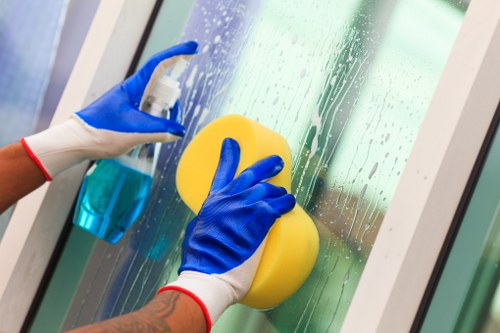
Carpet and upholstery stain removal requires a different approach than clothing because these materials are harder to rinse and dry. Liquids can sink below the visible surface, which means a stain may seem small but extend much deeper. Acting quickly is critical to prevent lasting discoloration and odor.
Begin by blotting the spill with a clean absorbent cloth. Avoid soaking the area, since too much water can spread the stain or damage the underlayer. For many stains, a mild detergent solution can work well. Apply it sparingly, blot, and repeat until the mark lifts. Always rinse gently with a damp cloth afterward to remove residue.
Upholstery requires extra caution because cleaning methods vary by fabric type. Some materials are water-safe, while others require solvent-based products. Always consult the manufacturer’s care instructions before starting any stain removal process on furniture. When in doubt, use a professional cleaner for valuable or delicate pieces.
Handling Specific Carpet and Furniture Stains
Different spills often need different methods:
- Food spills: blot, then use a mild detergent mix.
- Pet accidents: use an enzyme cleaner to reduce odor and residue.
- Wine: blot immediately and treat with a fabric-safe stain solution.
- Grease: sprinkle a dry absorbent like baking soda before cleaning.
- Mud: let it dry first, then vacuum and treat the residue.
For rugs and upholstery, ventilation matters. Drying the area thoroughly helps prevent lingering moisture and mold growth. Fans, open windows, and low heat can support the drying process after stain removal.
Remember that repeated over-wetting can make the problem worse. In carpet stain removal, less is often more. Controlled application, blotting, and patience usually produce better results than aggressive saturation.
DIY Stain Removal Methods That Work
Many everyday stains can be treated successfully at home with common ingredients. The best DIY stain removal methods are simple, inexpensive, and safe when used correctly. Baking soda, vinegar, dish soap, and mild detergent are popular for a reason: they work on a wide range of fresh stains when applied with care.
For example, baking soda can help absorb grease and odors. White vinegar may assist with mineral residue, light odor, and certain food stains. Dish soap is useful for oily spots because it helps break down fats. A mild laundry detergent solution is a versatile option for fabrics and some upholstery surfaces.
Still, not every stain should be treated with the same household remedy. Strong acids, bleach, and abrasive powders can damage fabric, color, or finish. Smart stain removal means balancing effectiveness with safety. If a DIY method fails after one or two attempts, it may be time to stop and consider a different approach.
Simple Home Treatment Routine
Follow this practical sequence for many fresh stains:
- Blot excess material immediately.
- Identify the stain type if possible.
- Test the cleaner in a hidden spot.
- Apply the mildest appropriate solution.
- Blot or gently brush the area.
- Rinse or wipe away residue.
- Repeat only if necessary.
This routine supports safer stain removal and reduces the risk of damage. It is especially effective for routine household spills and minor fabric accidents. With consistency, it can help you keep clothing, upholstery, and surfaces looking their best.
Tip: keep a stain log for recurring issues. If certain messes keep appearing in the same area, you may need a change in routine, storage, or protective coverings.
When Professional Stain Removal Is the Better Choice
Some stains are simply too large, too old, or too risky to handle alone. Professional stain removal services can be the better choice for valuable fabrics, luxury upholstery, large rugs, specialty materials, or deeply set stains. Experts have access to industrial-grade equipment, specialized solvents, and surface-specific knowledge that can improve results without causing unnecessary damage.
Professional help is also useful when a stain has been treated incorrectly several times. Over-treatment can create a bigger problem than the original spill. If a stain has spread, changed color, or affected the texture of the material, an experienced cleaner may be able to salvage it more effectively than repeated DIY attempts.
This is especially true for items such as antique carpets, designer garments, suede, leather, and delicate draperies. In these cases, cautious stain removal protects both appearance and value. Book your service now if the item is important and the stain is proving difficult to manage.
Situations That Often Need Expert Attention
- Set-in stains older than several days
- Large or recurring spills
- Odor-producing pet accidents
- Delicate or expensive fabrics
- Unknown stains that may react badly to cleaners
- Water-damaged carpet or upholstery
Professional cleaning does not just remove visible marks. It can also address odor, residue, and fiber damage. For serious cases, it is often the most efficient and cost-effective stain removal solution in the long run.
Contact us today if you need expert support for stubborn or delicate stain problems. Acting early can make a meaningful difference in the final result.
Prevention Strategies That Reduce Future Stains
The easiest stain removal strategy is prevention. While spills will always happen occasionally, a few habits can dramatically reduce how often you need to deal with them. Protective routines are especially helpful in homes with children, pets, frequent guests, or busy kitchens.
Use washable table linens, stain-resistant sprays where appropriate, and area rugs in high-traffic zones. Keep napkins nearby during meals, clean up spills immediately, and avoid placing drinks on unstable surfaces. Small changes like these can prevent major cleaning headaches later.
For clothing, pretreat high-risk areas such as collars, cuffs, and underarms. For furniture, use removable covers or throws in high-use spots. In carpets, regular vacuuming reduces dirt buildup that can make future stain removal harder. Prevention is always easier than correction, and it supports a cleaner, healthier environment overall.
Smart Habits for Long-Term Protection
Adopt these simple prevention practices:
- Respond to spills immediately
- Keep basic stain removal supplies accessible
- Read care labels before washing or cleaning
- Use coasters, placemats, and protective mats
- Schedule regular cleaning for carpets and upholstery
- Teach children simple spill-response habits
These habits make stain removal less stressful and help maintain the look and durability of your belongings. Over time, prevention saves both effort and replacement costs.
Another important point is consistency. When everyone in the household follows the same spill-response approach, stains are less likely to set. That consistency is one of the simplest ways to improve overall stain removal success.
Myths and Mistakes in Stain Removal
Many stain removal problems come from common myths. One of the biggest misconceptions is that more product always means better cleaning. In reality, overusing cleaners can leave residue, attract dirt, or damage surfaces. Another common mistake is scrubbing too hard. This may push a stain deeper or fray the fibers.
Another myth is that any stain can be removed with bleach. Bleach can be effective on some white, bleach-safe materials, but it can also cause discoloration, weaken fabrics, or create dangerous reactions if mixed with other products. Proper stain removal always starts with safe, surface-appropriate choices.
Some people also assume heat helps every stain. That is not true. Heat can set protein, wine, and dye-based stains, making them harder to remove. Likewise, using colored cloths or rough towels can transfer dye or leave lint behind. Simple, careful methods usually work better than aggressive ones.
Common Mistakes to Avoid
- Rubbing instead of blotting
- Using hot water too early
- Skipping a spot test
- Mixing incompatible cleaning products
- Drying stained fabric before the stain is gone
- Using too much liquid on carpets or upholstery
By avoiding these mistakes, you can improve your stain removal results and reduce the chance of permanent damage. Often, the difference between success and frustration is simply using the right method in the right order.
Stain removal works best when it is calm, informed, and deliberate. You do not need complicated tools to get good results; you need good habits and a clear plan.
Final Thoughts on Stain Removal
Stain removal is an essential skill for anyone who wants to keep clothing, carpets, upholstery, and household surfaces looking fresh. The best results come from fast action, careful product selection, and an understanding of how different stains behave. While some marks can be removed easily at home, others require professional expertise.
By learning the basics of stain removal, you can handle common spills with more confidence and avoid the mistakes that make stains worse. Whether you are treating coffee on a shirt, grease on a sofa, or wine on a rug, the right method can make a major difference.
When stains are stubborn, delicate, or deeply set, don’t wait until the damage becomes permanent. Use the right approach, protect your materials, and Book your service now if expert help is needed. For ongoing concerns or challenging messes, Contact us today and take the next step toward a cleaner, healthier space.
With practical habits, a little patience, and the right stain removal methods, you can keep everyday messes from becoming long-term problems. That means less stress, better-looking surfaces, and more confidence every time a spill happens.