Mattress Cleaning: A Practical Approach to a Fresher, Healthier Sleep Space
Why Mattress Cleaning Matters More Than Most People Realize
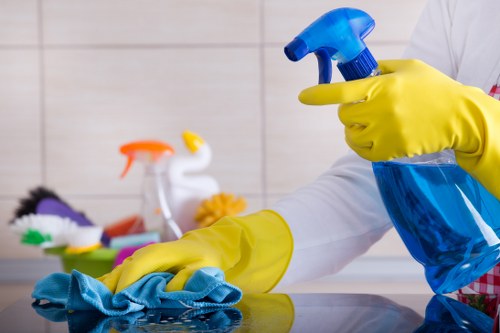
Mattress cleaning is one of the most overlooked parts of home care, yet it has a direct effect on sleep quality, indoor hygiene, and even the lifespan of your bed. While sheets and pillowcases get washed regularly, the mattress itself often collects dust, sweat, dead skin cells, oils, allergens, and sometimes even stains that build up over time.
When people search for mattress cleaning, they are usually looking for ways to remove odors, improve comfort, and create a healthier sleeping environment. That makes sense, because your mattress is where you spend a large portion of your life. If it is not cleaned properly, it can become a hidden source of irritation, unpleasant smells, and reduced comfort.
Keeping up with professional mattress cleaning or a consistent at-home routine can also help maintain the materials inside the mattress. A well-maintained bed tends to last longer, feel fresher, and support better sleep. In other words, investing time in mattress care is not just about cleanliness; it is about wellness and value.
Common Reasons Mattresses Need Cleaning
There are many reasons people seek out mattress cleaning services or try their own cleaning methods. Everyday use is the biggest factor, but spills, accidents, pet exposure, humidity, and seasonal allergens can all make a mattress less hygienic over time. Even if a mattress looks clean from the outside, deeper contamination can still exist inside the fibers and padding.
Body oils and perspiration are especially common causes of discoloration and odor. Over months and years, these substances can soak into the layers of a mattress, creating stubborn stains and a stale smell that regular sheet washing cannot eliminate. This is why routine mattress deep cleaning is so important.
Allergies are another major concern. Dust mites thrive in warm, fabric-rich environments, and mattresses are ideal habitats for them. If someone wakes up congested, itchy, or with irritated eyes, mattress cleaning may help reduce exposure to dust and other allergens that disrupt sleep.
Signs Your Mattress Needs Attention
Visible and Sensory Clues
Knowing when to schedule mattress cleaning can save time and prevent stains from becoming permanent. There are several warning signs that your bed needs attention. These include visible stains, a musty odor, increased sneezing at night, and a general feeling that the mattress no longer feels fresh.
If you notice that your bedding smells clean but the mattress still has an odor, the problem is likely deeper than the surface. Sweat, spills, and moisture can settle into foam and fabric layers. In those cases, odor removal mattress cleaning is often the best solution.
Another clue is the age of the mattress. Even when a bed looks fine, older mattresses often benefit from periodic mattress sanitizing. Cleaning helps reduce buildup and supports a healthier sleep environment, especially in homes with children, pets, or allergy sufferers.
Quick checklist
- Stains or discoloration on the surface
- Persistent smells after changing bedding
- Worsening allergies or congestion at night
- Moisture damage after spills or leaks
- Pet hair or pet odors in the bedroom
Professional Mattress Cleaning vs. DIY Methods
Many homeowners wonder whether to hire a specialist or handle mattress cleaning at home. The answer depends on the condition of the mattress, the type of stains involved, and how much time and effort you want to spend. Both approaches can work, but they serve different needs.
DIY mattress cleaning is often suitable for light maintenance, minor odors, and fresh spills. Basic tools such as vacuum attachments, baking soda, gentle upholstery cleaners, and clean cloths can help remove surface debris and freshen the mattress. This approach is budget-friendly and convenient for regular upkeep.
Professional cleaning, however, is a stronger option for deep stains, long-term odors, allergy reduction, and delicate materials. A trained team typically uses specialized equipment and cleaning solutions designed for fabric, foam, or hybrid construction. If your mattress needs a more intensive treatment, professional mattress cleaning can deliver better and more lasting results.
What Professional Cleaning Can Offer
One of the biggest advantages of expert mattress cleaning services is the ability to lift embedded dirt and bacteria more effectively than basic home cleaning. Technicians often use extraction methods, steam-based treatment, or low-moisture systems depending on the mattress type and condition.
This can be particularly useful for homes dealing with allergen reduction, pet accidents, or odor removal. A cleaner mattress can feel more comfortable, smell better, and support a more refreshing night’s sleep. It can also help prevent repeated spot cleaning that may weaken the fabric over time.
For people who value convenience, professional service also saves time. Instead of testing products and guessing which method is safest, you can rely on a process tailored to the mattress. That makes mattress deep cleaning a practical choice for many households.
Situations that often need expert help
- Set-in stains from sweat or body oils
- Urine, drink, or food spills
- Strong odors that do not fade
- Dust-mite sensitivity or allergies
- Mattresses made with specialty materials
How to Clean a Mattress at Home Safely
At-home mattress cleaning can be effective when done carefully. The goal is to refresh the bed without soaking it or using harsh chemicals that may damage the materials. A good process starts with removing all bedding and vacuuming the entire surface, including seams and edges where dust and debris tend to collect.
Next, treat stains as soon as possible. Fresh spills are much easier to manage than old ones. A small amount of mild detergent mixed with water can often handle light marks, while baking soda may help absorb odor. Always test any solution in a hidden area first to make sure it will not discolor the mattress.
It is also important to let the mattress dry fully before putting the sheets back on. Moisture trapped inside the bed can lead to mildew or unpleasant smells. Good airflow, open windows, and fans can help speed up drying after mattress stain removal.
Simple cleaning steps
- Strip the bed completely
- Vacuum the surface and seams
- Blot stains rather than rubbing them
- Use minimal liquid
- Allow plenty of drying time
Best Practices for Mattress Stain Removal
Different stains require different treatment approaches, and using the wrong method may spread the stain or push it deeper. For example, protein-based stains, beverage spills, and body fluid stains all react differently to cleaning products. That is why mattress stain removal should be handled with care.
For liquid spills, blot the area immediately with a clean cloth or paper towel. Avoid scrubbing, which can push the stain further into the fibers. A small amount of gentle cleaner can then be applied to lift residue from the surface. Baking soda can be sprinkled afterward to help absorb lingering moisture and odor.
For older stains, professional mattress deep cleaning may be needed. Over time, stains can set into foam and become much harder to remove. If that happens, a skilled technician can use specialized tools that target deep layers without over-wetting the mattress.
Helpful stain-care reminders
- Act quickly when spills happen
- Use blotting motions instead of scrubbing
- Avoid bleach unless the mattress manufacturer approves it
- Dry thoroughly before remaking the bed
- Consider a mattress protector to prevent future stains
Reducing Odors and Allergens Through Mattress Cleaning
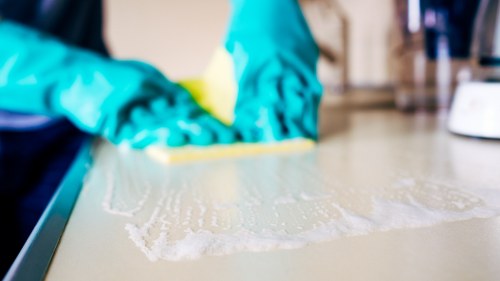
Odor control is one of the most common reasons people invest in mattress cleaning. A mattress can absorb smells from sweat, pets, smoke, and humidity, and these odors may linger long after the source is gone. Cleaning helps neutralize these smells so the bedroom feels fresher and more inviting.
Allergen management is equally important. Dust, dander, and microscopic particles can build up over time inside the mattress. Regular mattress sanitizing and vacuuming may help lower these triggers, especially for people with sensitive respiratory systems or seasonal allergies.
Using a mattress protector is a smart long-term strategy as well. While it does not replace cleaning, it creates a barrier against spills, sweat, and dust. Combined with periodic cleaning, it can make maintenance easier and improve overall mattress hygiene.
Ways to keep odors and allergens under control
- Wash bedding weekly
- Vacuum the mattress regularly
- Use a breathable mattress protector
- Keep the bedroom dry and ventilated
- Schedule periodic professional cleaning
Mattress Cleaning for Different Mattress Types
Not all beds are built the same, and mattress cleaning should match the material. Memory foam, innerspring, hybrid, latex, and pillow-top mattresses can all respond differently to moisture and cleaning products. Understanding these differences helps prevent damage and improves results.
Memory foam mattresses, for example, usually require low-moisture methods because excess water can be absorbed into the foam and take a long time to dry. Innerspring models may tolerate some surface cleaning more easily, but they still need careful treatment to avoid rust or internal moisture buildup.
Latex mattresses and hybrids can also benefit from specialized mattress cleaning techniques. Because construction varies, reading care instructions is essential. If the manufacturer recommends a particular method, following it can protect the warranty and preserve comfort.
Why material matters
- Foam is more sensitive to water retention
- Innersprings may need extra drying care
- Natural latex can react poorly to harsh chemicals
- Hybrid mattresses combine multiple materials
- Pillow-top layers often trap dust and debris
How Often Should Mattress Cleaning Be Done?
The ideal schedule for mattress cleaning depends on lifestyle, household size, and exposure to dirt or allergens. In general, vacuuming the mattress every month and doing a deeper clean a few times a year is a practical routine for many homes. If there are pets, children, or allergy concerns, more frequent attention may be useful.
Professional mattress deep cleaning is often recommended once or twice a year, though some households may benefit from more frequent service. A mattress protector and regular bedding care can reduce how often deep cleaning is needed, but they do not eliminate the need altogether.
If a spill, accident, or odor issue happens, do not wait for the next scheduled cleaning. Prompt action is the best way to prevent stains and contamination from becoming permanent. That is one reason mattress maintenance works best when it is consistent, not occasional.
Suggested cleaning rhythm
- Weekly: Wash sheets and pillowcases
- Monthly: Vacuum the mattress surface
- Seasonally: Refresh with deodorizing treatment
- Every 6-12 months: Book professional cleaning
Creating a Healthier Sleep Environment
Mattress cleaning is part of a larger sleep hygiene routine. A clean mattress works best when paired with a tidy bedroom, good airflow, and regular bedding care. Together, these habits support comfort and may contribute to better rest.
Small changes make a big difference. Keeping humidity under control, washing bedding consistently, and using a protector can help preserve the mattress and reduce buildup. Even simple habits like vacuuming under the bed and rotating the mattress when recommended can support long-term cleanliness.
For households that want a fresher home overall, mattress care is a smart place to start. Because the bed is used daily, improvements are noticeable quickly. Once the mattress feels cleaner, the whole room often feels more pleasant, too.
Healthy sleep-space habits
- Air out the room regularly
- Use washable bedding and covers
- Keep food and drinks out of bed when possible
- Clean spills immediately
- Schedule routine mattress maintenance
Choosing the Right Mattress Cleaning Service
If you decide to hire help, selecting the right provider matters. A reliable mattress cleaning service should understand fabric types, stain removal methods, and safe drying practices. The best service will use appropriate equipment and avoid harsh or damaging shortcuts.
Before booking, ask about the cleaning process, the products used, and whether the treatment is safe for your mattress type. It is also wise to confirm how long drying may take and whether the service addresses odor, allergens, and stain concerns. Clear communication helps set expectations and improve results.
Look for a service that focuses on careful treatment and effective results rather than promises that sound unrealistic. Quality mattress cleaning should improve freshness, cleanliness, and comfort without compromising the structure of the bed.
Questions worth asking
- What cleaning method do you use?
- Is it safe for my mattress material?
- How long will drying take?
- Can you help with stains and odors?
- Do you offer allergen-focused treatment?
The Long-Term Value of Mattress Care
Consistent mattress cleaning can save money over time by helping a mattress stay usable and comfortable for longer. Replacing a mattress is expensive, so it makes sense to protect the investment through regular care. Cleanliness also improves the day-to-day experience of sleeping, which is just as important as appearance.
Beyond comfort, there is a hygiene benefit that many people appreciate once they start a routine. A fresher mattress may reduce odors, dust buildup, and allergens, all of which can affect how well you sleep. That is why mattress sanitizing and stain prevention are valuable parts of household maintenance.
If your mattress has not been cleaned in a long time, now is the right moment to act. Start with basic maintenance, then decide whether deeper treatment is needed. For persistent stains, odors, or allergy concerns, book your service now and give your sleep space the attention it deserves.
Contact us today if you want a cleaner, fresher mattress experience and a more comfortable bedroom environment.