Upholstery Cleaning in Your Home: A Practical, Stylish, and Healthier Approach
Why Upholstery Cleaning Matters for Every Home
Upholstery cleaning is one of those home care tasks that often gets delayed until a sofa looks visibly worn, a chair starts to smell, or a favorite armrest turns dull from daily use. Yet regular upholstery cleaning does far more than improve appearance. It helps protect the fabric, reduce allergens, improve indoor air quality, and create a fresher, more welcoming space for family and guests.
When people search for upholstery cleaning, they are usually looking for a service that can restore comfort and beauty without damaging delicate materials. Whether your furniture is made from microfiber, cotton, linen, leather, velvet, or a blended synthetic fabric, the right cleaning method can make a dramatic difference. A clean couch or chair not only looks better, it also feels better and lasts longer.
In busy households, upholstery collects dust, pollen, pet hair, food crumbs, body oils, and everyday grime. Over time, these particles become trapped deep in the fibers. This is why upholstery cleaning should be part of routine home maintenance, not just an occasional fix after a spill. Proactive care is always easier and more affordable than replacing worn furniture.
What Upholstery Cleaning Actually Involves
Many people think upholstery cleaning is simply about vacuuming a sofa or blotting a stain. In reality, it can include several techniques depending on the fabric type, the level of soiling, and the condition of the furniture. Professional upholstery cleaning typically begins with fabric inspection, fiber identification, and a spot test to determine the safest approach.
The process may involve dry soil removal, pre-treatment of stains, deep extraction, steam cleaning, low-moisture methods, or specialized cleaning for delicate fabrics. Leather upholstery, for example, needs conditioning and gentle cleaning products, while a wool blend may require a carefully controlled moisture level. Choosing the right technique is essential to avoid shrinking, color fading, or texture damage.
For homeowners, understanding these differences can make upholstery cleaning feel less intimidating. It also helps explain why a one-size-fits-all method rarely works. If you want furniture that stays attractive and comfortable, the cleaning method must match the upholstery material.
Common Upholstery Types That Need Special Care
- Microfiber: Durable, but can trap oils and require targeted stain removal.
- Cotton: Breathable and comfortable, but prone to absorbing spills quickly.
- Linen: Elegant and natural, yet sensitive to over-wetting.
- Velvet: Luxurious, but easily marked and best treated with care.
- Leather: Needs gentle cleaners and conditioning to maintain flexibility.
- Synthetic blends: Often easier to clean, but still benefit from regular maintenance.
Signs Your Furniture Needs Upholstery Cleaning
It is not always obvious when upholstery cleaning is overdue. Some warning signs are visible, while others are subtle and become noticeable only when the room starts feeling stale. A sofa may still look acceptable from a distance, but close up you might notice darkened seat cushions, lingering odors, or a rough texture caused by accumulated dirt.
Stains are one of the most obvious indicators, but odor is another major clue. If furniture smells musty, smoky, sweaty, or pet-like even after airing out the room, deep upholstery cleaning may be necessary. Many fabrics absorb smells over time, and surface cleaning alone often fails to remove them fully.
Another sign is allergy discomfort. If coughing, sneezing, or eye irritation seems worse when you sit on a particular couch or upholstered chair, the fabric may be holding dust mites, dander, or pollen. Regular upholstery cleaning can help reduce these triggers and make the home feel more comfortable for sensitive family members.
Practical warning signs to watch for
- Visible stains or water marks
- Persistent odors
- Dust buildup in seams and corners
- Flattened or dingy fabric
- Increased allergy symptoms indoors
- Pet hair embedded in cushions
- Rough or sticky fabric texture
Benefits of Professional Upholstery Cleaning
Professional upholstery cleaning offers benefits that go well beyond what a vacuum or store-bought spray can accomplish. First, it restores the visual appeal of furniture by lifting dirt that has settled deep into the fibers. This can brighten colors, improve texture, and bring life back to pieces that may have looked tired or faded.
Second, it supports a healthier indoor environment. Upholstery can trap allergens, bacteria, and airborne particles that circulate through the home. By removing these contaminants, upholstery cleaning contributes to better air quality and a cleaner living space. For households with children, pets, or allergy sufferers, this benefit is especially important.
Third, regular upholstery cleaning helps extend furniture lifespan. Dirt acts like tiny abrasive particles that wear down fabric fibers over time. When these particles are removed, the upholstery remains softer, stronger, and more resilient. That means fewer replacements, better value, and a more polished home overall.
Additional advantages you may notice
- Improved comfort when sitting
- Better scent throughout the room
- Reduced buildup of pet dander
- Enhanced appearance for guests
- Less visible wear on high-use areas
DIY Upholstery Cleaning vs. Professional Service
Many homeowners start with DIY upholstery cleaning because it seems convenient and cost-effective. A handheld vacuum, fabric cleaner, and microfiber cloth can handle light upkeep and small spills. For routine care, this is a smart habit. However, DIY methods have limitations, especially when stains are old, the fabric is delicate, or the furniture has deep-set grime.
Professional upholstery cleaning is often the better choice for more thorough results. Technicians use specialized equipment that can extract dirt from deeper layers of fabric and padding. They also understand which products are safe for different materials. This knowledge matters because the wrong cleaner can set a stain, leave residue, or damage the finish.
There is also the issue of drying time. Over-wetting furniture during DIY cleaning can lead to mildew, lingering dampness, or water rings. Professional upholstery cleaning typically uses controlled moisture and efficient extraction, reducing the risk of these problems. In short, DIY is good for maintenance, while professional care is best for deep restoration.
When to choose a professional
- After major spills or food stains
- When odors keep returning
- For delicate or expensive fabrics
- After moving into a new home
- When furniture has not been cleaned in years
- If allergies or asthma are a concern
Why the right expertise matters
Expert upholstery cleaning is not just about removing dirt. It is about treating every fabric with the correct balance of cleaning power, moisture, and care. That is what protects your furniture while delivering noticeably better results.
How Upholstery Cleaning Supports a Cleaner Lifestyle
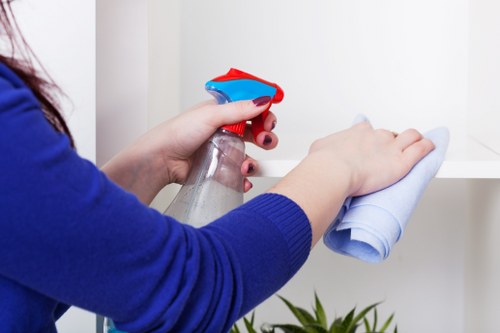
Clean furniture influences the entire feel of a room. When sofas, chairs, ottomans, and dining seat cushions are fresh and well maintained, the space feels more inviting, organized, and restful. Upholstery cleaning supports a cleaner lifestyle because it reduces clutter, improves hygiene, and encourages better upkeep throughout the home.
This matters in open-plan homes and shared living areas where furniture is used constantly. A single couch may serve as a place for relaxing, eating, working, and entertaining. That versatility is convenient, but it also means the fabric can accumulate more contaminants than many people realize. Routine upholstery cleaning keeps up with that heavy use and helps the room stay presentable.
Even in small apartments or homes with minimal furniture, upholstery cleaning can make a large visual impact. A refreshed chair or sofa can make the whole room look brighter and more intentional. Well-maintained upholstery sends a clear message of care, comfort, and cleanliness.
How regular care affects daily living
- Makes rooms feel fresher and more comfortable
- Reduces stubborn buildup before it becomes a major issue
- Helps maintain the color and texture of fabrics
- Supports tidier habits throughout the home
- Creates a healthier environment for everyone
Upholstery Cleaning for Homes with Pets and Children
Households with pets and children often need upholstery cleaning more frequently because furniture is exposed to extra messes. Pets shed hair, track in outdoor dirt, and occasionally have accidents. Children may spill drinks, drop snacks, or leave behind sticky residue from daily play. While these are normal parts of family life, they can be tough on upholstery.
The good news is that frequent upholstery cleaning can keep furniture looking attractive despite heavy use. Timely spot treatment helps prevent stains from setting, while regular deep cleaning removes allergens and odors before they become embedded. In homes with pets, upholstery cleaning is especially useful for reducing dander and keeping the space smelling fresh.
It is also helpful to establish simple habits such as using washable throws, vacuuming weekly, and addressing spills quickly. These small actions support professional upholstery cleaning and make each visit more effective. When maintenance and deep cleaning work together, furniture stays in better condition for much longer.
Helpful habits for busy families
- Vacuum cushions and seams weekly
- Blot spills immediately instead of rubbing
- Use fabric-safe protectors where appropriate
- Rotate cushions to even out wear
- Schedule periodic upholstery cleaning before buildup becomes noticeable
Choosing the Best Upholstery Cleaning Method
The best upholstery cleaning method depends on the fabric label, the age of the furniture, and the type of contamination involved. Some upholstery responds well to hot water extraction, while other pieces are safer with dry cleaning or low-moisture foam cleaning. Reading the manufacturer’s cleaning code can be very helpful.
Cleaning codes often indicate whether a fabric can be treated with water-based solutions, solvent-based cleaners, or only vacuuming and professional care. Ignoring these codes may cause shrinking or discoloration. For example, a fabric marked with “S” usually requires solvent cleaning, while “W” fabrics can tolerate water-based products. “WS” allows either method, and “X” typically means vacuum only.
For homeowners who want reliable results, a professional upholstery cleaning assessment can take the guesswork out of the process. The technician inspects the fabric and recommends the safest, most effective approach. This tailored method is one reason professional upholstery cleaning often delivers better long-term value.
Factors that influence method selection
- Fabric fiber content
- Cleaning code on the manufacturer tag
- Type of stain or soil
- Colorfastness and dye stability
- Level of wear and age of the furniture
How Often Should Upholstery Be Cleaned?
The ideal schedule for upholstery cleaning depends on usage, household size, and whether pets or children are involved. In a low-traffic home, furniture may need deep cleaning less often than in a busy family room. Still, regular maintenance should never be skipped entirely. Waiting too long allows soils to build up and makes the cleaning process more difficult.
As a general rule, lightly used upholstery can benefit from professional cleaning every 12 to 24 months. High-traffic furniture, especially in households with pets or allergies, may need attention every 6 to 12 months. Spot cleaning and vacuuming should be done much more often, ideally on a weekly basis or as needed.
The right timing helps protect fabric quality and keeps your living space looking its best. Scheduling upholstery cleaning before furniture appears heavily soiled is usually the smartest approach, because preventive care is easier than restoration.
Simple maintenance rhythm
- Weekly: Vacuum surfaces and seams
- Monthly: Treat small stains and inspect wear spots
- Every 6-12 months: Deep clean high-use furniture
- Every 12-24 months: Refresh lower-use furniture
Tips to Keep Upholstery Looking Better Between Cleanings
Good maintenance can significantly extend the time between deep upholstery cleaning sessions. One of the most effective habits is regular vacuuming using an upholstery attachment. This removes loose dust, crumbs, and pet hair before they settle deeper into the fabric.
Another helpful practice is immediate spot treatment. The sooner you address a spill, the easier it is to prevent staining. Use a clean cloth to blot the area gently, and avoid aggressive scrubbing, which can push the stain further into the fibers. A fabric-safe cleaner can help, but always test it first in a hidden spot.
It also helps to reduce direct exposure to dirt and oils. For example, keeping shoes off upholstered furniture, using washable throws, and rotating cushions can reduce uneven wear. These habits do not replace upholstery cleaning, but they do make results last longer.
Best maintenance practices
- Vacuum weekly with a brush attachment
- Blot spills as soon as they happen
- Avoid eating messy foods on fabric furniture
- Keep cushions rotated and fluffed
- Use breathable covers in high-use areas
Why Upholstery Cleaning Is Worth the Investment
Some homeowners hesitate to invest in upholstery cleaning because furniture may not seem “dirty enough” at first glance. But the value becomes obvious once the cleaning is complete. Fabrics look brighter, odors fade, and rooms feel cleaner overall. The difference is often more dramatic than expected.
There is also a financial argument. Quality furniture is expensive, and replacing sofas or chairs every few years is far more costly than maintaining them properly. Upholstery cleaning helps preserve that investment by slowing wear and removing the grime that breaks fibers down over time. In many cases, a regular cleaning plan can add years of useful life to upholstered items.
Just as importantly, clean furniture enhances everyday comfort. People naturally spend more time in rooms that feel fresh, organized, and inviting. That makes upholstery cleaning both a practical home-care choice and a lifestyle upgrade.
Long-term value at a glance
- Extends the life of furniture
- Improves indoor appearance
- Supports better hygiene
- Helps reduce allergens and odors
- Protects the value of quality pieces
Final Thoughts on Upholstery Cleaning
Upholstery cleaning is one of the simplest ways to improve the look, feel, and health of a home. It refreshes fabrics, removes hidden dirt, reduces odors, and helps furniture last longer. Whether you are caring for a single accent chair or an entire living room set, consistent attention makes a real difference.
From routine vacuuming to professional deep treatment, every step contributes to cleaner, more comfortable living spaces. If your furniture has lost its brightness, carries odors, or simply has not been cleaned in a while, now is the perfect time to act. Fresh upholstery can transform the whole room.
Book your service now and take the next step toward a cleaner, healthier home. If you want to restore comfort, protect your furniture, and enjoy a fresher space, contact us today to get started with upholstery cleaning that delivers visible results.