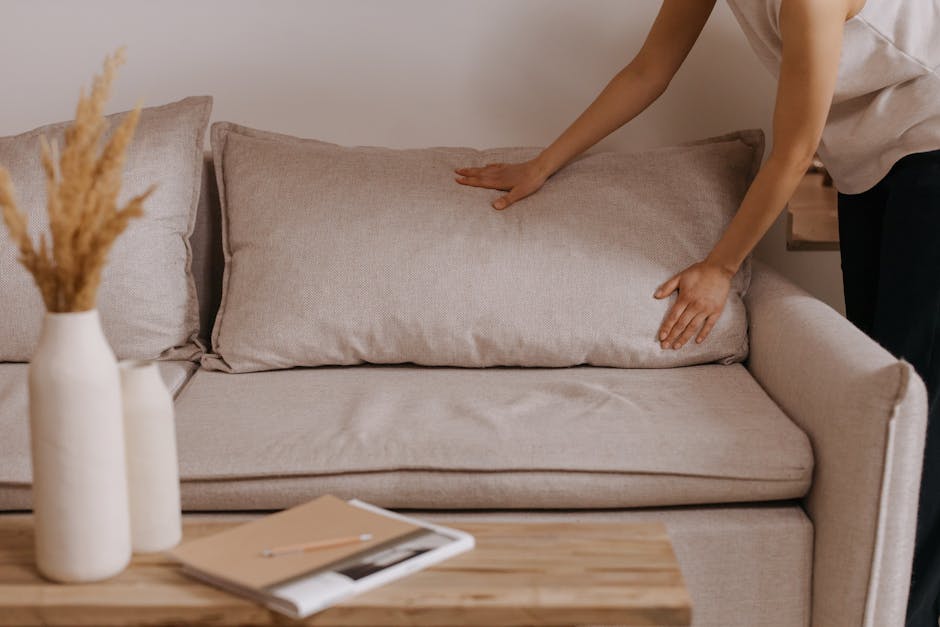
Sofa odour issues in Putney: Effective cleaning fixes
If your sofa has started to carry that stale, damp, or "what is that smell?" kind of odour, you are not alone. In Putney, where homes can be busy, compact, and full of everyday life, sofa smells build up faster than most people expect. Pets jump up after a wet walk, dinner gets eaten on the armrest, a window stays closed on a chilly evening, and before long the sofa begins to hold onto the air of the room.
The good news is that most sofa odour issues can be reduced or removed with the right cleaning approach. Sometimes the fix is simple. Sometimes the smell has worked its way into the foam, the base fabric, or hidden spills you cannot even see. This guide walks through the real causes, the best cleaning fixes, what works well on different sofa materials, and when it makes sense to call in a professional upholstery service in Putney. A little care goes a long way here, honestly.
Below you will find practical steps, a comparison of methods, a checklist, and answers to common questions people ask when a sofa starts smelling less than fresh.
Why Sofa odour issues in Putney: Effective cleaning fixes Matters
Odour in a sofa is not just a comfort issue. It changes how a room feels, and in a home, that matters more than people admit. You might stop inviting people round. You might keep the windows open even when it is freezing. Or you may sit down at the end of the day and notice the smell every time you relax. That does not exactly help anyone unwind.
In Putney, sofa odours are often linked to everyday living rather than one dramatic accident. Think family life, shared flats, pets, occasional food spills, wet coats draped over cushions, or the sort of dampness that creeps in during colder months. Older upholstery can also trap smells more easily than newer furniture, especially if the sofa has been cleaned only on the surface.
What makes this topic worth taking seriously is that odour often points to something deeper. Smell can come from bacteria, mould growth, old body oils, drinks, urine, smoke residue, or moisture trapped inside the filling. If you treat only the visible stain, the smell usually comes back. That is why effective cleaning fixes focus on both the fabric and the underlying source.
For local households, landlords, and tenants, there is another reason too: a clean-smelling sofa helps protect the overall condition of the property. If you are preparing a rental home, you may already be thinking about a broader clean-up such as end of tenancy cleaning in Putney. For owners, it sits alongside keeping the rest of the home fresh with regular domestic cleaning support. The sofa is often the one item people notice first, though. Funny how that works.
How Sofa odour issues in Putney: Effective cleaning fixes Works
Effective odour removal works by identifying where the smell lives. That sounds obvious, but it is the part most DIY attempts miss. A sofa can smell unpleasant for a few different reasons, and each one needs a slightly different fix.
Common sources of sofa odour
- Surface dirt and body oils: These cling to armrests, headrests, and seat cushions over time.
- Food and drink spills: Even small drips can sink into the fabric and padding.
- Pet odours: Wet fur, saliva, and accidents can leave a stubborn smell.
- Moisture and damp: A sofa near a cold wall or under poor ventilation may develop a musty smell.
- Smoke residue: Cigarette smoke and cooking fumes can linger in upholstery fibres.
- Bacteria build-up: If a spill has sat for a while, odour-causing bacteria can multiply in the fabric or foam.
Once you know the source, you can decide whether a light refresh, spot treatment, deep cleaning, or professional upholstery cleaning is the best route. Surface deodorising may help for a day or two, but if odour has moved into the cushion filling, it tends to return. That is the annoying bit, really.
A proper cleaning process usually includes dry soil removal, targeted stain treatment, fabric-safe cleaning, moisture control, and careful drying. For some sofas, steam or hot water extraction is suitable. For others, especially delicate fabrics, a low-moisture approach is safer. A good cleaner does not just make a sofa smell nicer; they remove the material that is causing the smell.
If the sofa odour is part of a broader property refresh, it can sit neatly alongside carpet cleaning in Putney or even a broader house cleaning service. Smells travel, and once you clean one soft furnishing properly, the whole room often feels different.
Key Benefits and Practical Advantages
Sorting out sofa odours does more than improve the smell of the room. It changes how the space works for you day to day.
- Better comfort: A fresh sofa makes the room feel more inviting straight away.
- Improved hygiene: Odour removal often goes hand in hand with removing bacteria, grime, and residue.
- Longer sofa life: Cleaning properly prevents soils from settling deeper into the fabric and foam.
- Better guest impression: Let's face it, guests notice smells fast.
- Reduced allergy triggers: While not a cure-all, cleaner upholstery may reduce dust and trapped particles.
- Better property presentation: Helpful for landlords, tenants, home sellers, and anyone getting ready for viewings.
There is also a mental benefit that often gets overlooked. A stale-smelling sofa can quietly make a room feel neglected. When it smells fresh again, the whole place can feel brighter, cleaner, and more under control. Small thing, big difference.
Expert summary: The most effective sofa odour fixes do not just mask the smell. They remove the source, manage moisture carefully, and match the cleaning method to the fabric. That is the difference between a quick cover-up and a result that lasts.
If you are comparing service options, it helps to understand the wider cleaning picture. You can review the broader services overview and, if relevant to your home or office, look at upholstery cleaning in Putney as a more targeted solution.
Who This Is For and When It Makes Sense
This advice is useful for a fairly wide group of people in Putney:
- Homeowners dealing with a sofa that smells stale, musty, or pet-like.
- Tenants who want to leave a good impression at the end of a tenancy.
- Landlords and letting agents preparing a property between occupiers.
- Families with children, snacks, and the occasional mystery spill.
- Pet owners whose dogs or cats like the sofa a bit too much.
- Busy professionals who do not have time for repeated cleaning attempts.
- Offices and shared spaces where sofa seating takes regular use.
It makes sense to act early if the smell is light but noticeable, or after a recent spill, pet accident, or damp spell. Early action usually means a simpler clean and less risk of permanent damage.
If the sofa smells strongly of urine, mildew, smoke, or sour damp, it is usually worth considering specialist help sooner rather than later. At that point, over-wetting or using harsh products can make the issue worse. Sometimes the best decision is the one that saves you three more failed attempts.
For local businesses or customer-facing spaces, the same logic applies. If seating in a reception area has developed an odour, it can quietly affect how the whole place is perceived. In that case, office cleaning in Putney may support the wider refresh, especially when soft furnishings are part of a larger maintenance plan.
Step-by-Step Guidance
Here is a practical way to approach sofa odour issues without making things worse.
1. Identify the smell
Try to work out whether the odour is musty, sour, smoky, pet-related, or food-based. Each type points to a different source. If the smell is strongest near one cushion or one corner, that is a clue the problem is localised.
2. Check the care label
Before using any cleaner, check the sofa's manufacturer care label. It usually tells you whether the fabric can tolerate water-based cleaning, solvent cleaning, or only specialist treatment. This step is dull, yes, but skipping it can lead to water marks, shrinking, or colour bleed.
3. Remove loose debris
Vacuum thoroughly using a clean upholstery attachment. Go into the seams, under cushions, and around buttons or piping. That removes dust, crumbs, hair, and other bits that can hold odour.
4. Treat the cause, not just the smell
If there has been a spill or accident, blot up as much moisture as possible first. Avoid scrubbing. Then use a fabric-safe odour treatment suited to the cause. For example:
- Food and drink smells: Use a gentle upholstery cleaner, then extract and dry well.
- Pet odours: Use an enzymatic cleaner if appropriate, because it helps break down organic residue.
- Musty smells: Improve airflow, address any damp source, and clean the fabric properly.
- Smoke odours: These often need deeper cleaning because residue can cling throughout the fibres.
5. Control moisture carefully
This is a big one. A sofa that stays damp too long can end up smelling worse than before. If you use water-based cleaning, dry it properly. Open windows if the weather allows, use fans, and avoid sitting on it until it is fully dry. A half-dry sofa is a bit of a trap, truth be told.
6. Repeat only if needed
Some odours need more than one round of cleaning, but repeated soaking is not the answer. If the smell remains after careful treatment, the issue may be in the cushion filling or deeper layers. That is usually the point to bring in an upholstery specialist.
7. Maintain once the odour is gone
Regular vacuuming, quicker response to spills, and a little airflow each week can prevent the smell from returning. Simple habits. Not glamorous, but effective.
Expert Tips for Better Results
If you want the best chance of a lasting result, these are the details that make the difference.
- Test products first: Always patch test in a hidden spot before cleaning the whole sofa.
- Use less liquid than you think: Over-wetting is one of the most common mistakes.
- Work from the outside in: This helps prevent spreading stains and smell.
- Dry the sofa from multiple angles: Airflow under cushions matters as much as the top surface.
- Treat hidden areas too: The back, sides, seams, and underside can trap smells.
- Do not rely on perfume-heavy sprays: They can mix with the odour and make it worse.
- Clean the room as well: Curtains, rugs, and soft furnishings can contribute to the same smell.
A small real-world tip: if your sofa smells worse in the evening than in the morning, it may be reacting to humidity or low ventilation. That often happens in winter, especially when windows stay shut all day. One fresh-air burst can help more than people expect.
And if the smell keeps returning after a tidy-up, do not blame yourself. Sofas can hold onto odours in places you simply cannot reach without proper extraction.
Common Mistakes to Avoid
A lot of DIY sofa odour problems come from well-meant but slightly off-target fixes. Here is what to avoid:
- Masking the smell with fragrance only: That does not remove the source.
- Using too much water: It can push the odour deeper into the padding.
- Rubbing hard at stains: This can damage fibres and spread residue.
- Mixing cleaning products: Not a great idea. Some combinations can leave residue or react badly.
- Ignoring the underside or cushions: Smells often hide there.
- Putting cushions back too early: Trapped moisture can bring the odour right back.
- Waiting too long after a spill: The longer you leave it, the deeper it settles.
One of the least obvious mistakes is assuming a sofa is dry because the surface feels dry. Foam and inner padding can still hold moisture for hours longer. That is where many lingering smells begin.
If you are unsure whether a sofa has taken on structural damp or just a surface odour, it is worth being cautious. A careful clean is better than an enthusiastic soak. Not exactly thrilling advice, but it saves headaches.
Tools, Resources and Recommendations
You do not need a van full of equipment to handle a mild sofa smell, but a few practical tools help:
- Vacuum with upholstery attachment
- Microfibre cloths
- Soft brush
- Fabric-safe upholstery cleaner
- Enzymatic cleaner for organic odours, where suitable
- Clean towels for blotting
- Fans or good natural ventilation
For a deeper refresh, professional upholstery cleaning is often the more reliable option. If the sofa is part of a larger home clean, you may also want to look at house cleaning services in Putney or professional carpet cleaners in Putney to deal with any related odours in the room.
For people comparing costs or planning a combined job, the page on pricing and quotes is useful for understanding how enquiries are typically handled. If you are after a deal, you may also want to check the exclusive rates page. It is always better to know the numbers before you start, rather than guess and hope.
Law, Compliance, Standards, or Best Practice
For sofa cleaning, the main compliance concerns are usually practical rather than legal. The most important points are safety, product suitability, and fair treatment of the property or furnishings.
Good practice in the UK generally means:
- following the fabric manufacturer's care instructions where available;
- using cleaning products safely and as directed;
- avoiding damage through over-wetting or incorrect methods;
- taking reasonable care in rental properties and shared spaces;
- being transparent about what can and cannot be removed by cleaning.
If a sofa smells due to contamination, damp, or smoke, there may be wider property issues to look at too. Cleaning alone is not always the full answer. A good professional should be honest about that. They should also work safely and explain any limitations clearly. That's basic trust, really.
If you are hiring a service, it is sensible to review the company's approach to safety and responsibility. Pages such as health and safety policy, insurance and safety, and terms and conditions help set expectations. For privacy-related matters, the privacy policy is also worth a look.
Options, Methods, or Comparison Table
Not every sofa smell needs the same fix. This table gives a simple way to compare the common approaches.
| Method | Best for | Strengths | Limitations |
|---|---|---|---|
| Vacuuming and airing | Light stale smells, dust, minor trapped odours | Quick, cheap, easy to repeat | Won't solve deeper contamination |
| Spot cleaning | Small spills, localised smells | Targets the source directly | Can leave marks if the fabric is delicate |
| DIY upholstery cleaning | Moderate odours on suitable fabrics | More thorough than surface cleaning | Risk of over-wetting or residue |
| Enzymatic treatment | Pet accidents and other organic odours | Breaks down source material | Must be used correctly and on suitable fabrics |
| Professional upholstery cleaning | Deep smells, recurring odours, delicate fabrics | More effective extraction and better moisture control | Costs more than DIY |
As a rule, the stronger or older the odour, the more you want extraction and controlled drying rather than a quick cover-up. If the smell is tied to your whole room rather than just the sofa, it may be worth combining upholstery work with broader cleaning support.
Case Study or Real-World Example
A Putney flat with a two-seater fabric sofa had a lingering musty smell that became more noticeable after rainy days. The sofa looked fine at first glance. No obvious stain, no large spill. Just a dull, damp smell every time someone sat down.
After checking the care label, the owner vacuumed the sofa thoroughly, then tested a fabric-safe cleaner in a hidden area. That helped a bit, but the smell returned because the deeper source was trapped moisture in the seat area and a lack of airflow near an outside wall. The solution ended up being a combination of careful upholstery cleaning, improved ventilation, and moving the sofa slightly away from the wall so air could circulate better.
What made the difference was not one miracle product. It was a sequence: identify the cause, clean correctly, dry properly, and stop the smell from being trapped again. Pretty simple in hindsight, but when you are staring at a sofa that smells off, it is easy to miss the obvious.
In another common scenario, a family sofa takes on the smell of food and pets after a busy weekend. Surface sprays might briefly freshen it, but the odour returns by Tuesday. A proper deep clean, paired with routine vacuuming and quicker response to spills, usually gives a much better result.
Practical Checklist
Use this checklist when dealing with sofa odour problems at home:
- Identify the smell type: musty, pet, smoke, food, or damp.
- Check the sofa care label before cleaning.
- Vacuum all surfaces, seams, and cushions.
- Spot test any cleaner in a hidden area.
- Blot spills rather than rubbing them.
- Use the right product for the source of the odour.
- Avoid soaking the fabric or foam.
- Allow plenty of airflow for full drying.
- Repeat only if the fabric and label allow it.
- Address room humidity or ventilation if the smell keeps returning.
Quick takeaway: if the smell is mild, start with ventilation, vacuuming, and gentle spot treatment. If it is strong, persistent, or tied to pets, damp, or smoke, a deeper upholstery clean is usually the better move.
If you want the sofa to feel fresh for guests, family life, or just your own peace of mind, it is worth dealing with the source properly rather than trying to cover it up.
Conclusion
Sofa odour issues in Putney can be frustrating, but they are usually manageable with the right approach. The key is to understand what is causing the smell, choose the correct cleaning method, and dry the sofa properly afterward. For lighter cases, careful DIY cleaning may be enough. For deeper or recurring odours, professional upholstery cleaning is often the cleaner, safer path.
The sofa is one of those pieces of furniture that quietly carries the rhythm of daily life. Coffee, pets, tired evenings, rainy coats, snacks, everything. So when it starts to smell wrong, it is not just a nuisance; it changes the feel of the whole room. Deal with it early, be gentle with the fabric, and do not be afraid to get proper help if the odour keeps coming back.
Get a free quote today and see how much you can save.
For more background on the company and how service enquiries are handled, you can also visit the about us page. If you are exploring local Putney insights while you plan your home refresh, the blog archive is a handy place to start, including pieces like Putney living and residents' views, real estate tips for Putney, and a guide to Putney's culture and history.
Frequently Asked Questions
Why does my sofa smell even after vacuuming?
Vacuuming removes loose dirt, dust, and hair, but it does not always remove the source of the odour. If the smell comes from a spill, pet accident, damp, or bacteria trapped in the fabric or foam, vacuuming alone will not solve it.
What is the best way to remove sofa odours at home?
The best home method is usually a careful mix of vacuuming, spot treatment with a fabric-safe cleaner, and full drying with good airflow. The exact method depends on the sofa material and the type of smell.
Can baking soda fix a smelly sofa?
Baking soda may help with light surface odours, but it is not a full solution for deeper smells. If the odour is in the cushions or caused by moisture, you will usually need a more targeted clean.
How do I get pet smell out of a sofa?
Pet odours often need an enzymatic cleaner because it helps break down organic residue. You should also clean the surrounding area, dry the fabric thoroughly, and check whether any moisture has reached the cushion filling.
Will steam cleaning remove sofa smell?
Steam or hot water extraction can help on suitable fabrics, especially where odour is linked to dirt or residue. But it is not suitable for every sofa, and too much moisture can make some smells worse if the sofa is not dried properly.
How long does it take for a sofa to dry after cleaning?
Drying time depends on the fabric, cleaning method, room temperature, and airflow. Some sofas dry in a few hours, while others take longer. It is best not to use the sofa until it is fully dry.
Can a sofa smell musty because of the room, not the sofa?
Yes. Sometimes the odour comes from poor ventilation, damp walls, or nearby soft furnishings rather than the sofa itself. If the smell returns after cleaning, the room environment should be checked too.
Are sofa odour removers safe on all fabrics?
No. Some products are too strong for delicate fabrics or may leave residue. Always check the care label and test in a hidden area before applying anything widely.
When should I call a professional cleaner?
If the smell is strong, keeps coming back, involves smoke or pet accidents, or the sofa is made from delicate fabric, professional help is usually the safer and more effective option.
Can sofa odours affect the rest of the room?
Yes. Upholstery can hold and release smell into the air, especially in smaller rooms or spaces with limited airflow. That is why a smelly sofa often makes the whole room feel less fresh.
Is it worth cleaning a sofa before moving out of a rental?
Definitely. A clean, fresh sofa can help the property feel cared for and can support a smoother end-of-tenancy handover. If the rest of the home needs attention too, a broader cleaning plan is often worthwhile.
What if the odour comes back after cleaning?
If the smell returns, the original source may not have been fully removed, or moisture may still be trapped in the sofa. At that point, a deeper professional clean or an inspection of the room conditions is usually the next step.
For anyone comparing options locally, you can also review the complaints procedure and payment and security information for added reassurance before booking. Small details matter when you are trusting someone with your home.