Upper Richmond Road carpet care guide - Putney SW15
If you live or work along Upper Richmond Road, you already know carpets take a beating in a busy SW15 property. Mud after a wet walk, city dust, food spills, pet hair, and the everyday flattening that comes from shoes in and out all add up. This Upper Richmond Road carpet care guide - Putney SW15 brings together the practical steps that actually help: how to look after carpet fibres, when to spot-treat, when to deep clean, and how to avoid the little mistakes that make stains harder to shift later. It is written for real homes, real landlords, and real businesses. Not showroom carpets. The lived-in kind.
Whether you are trying to keep a hallway presentable, protect a family living room, or make a rental easier to maintain, the right approach saves time, money, and a fair bit of stress. And yes, sometimes it also saves you from that one mystery mark no one will admit to. Let's get into it.
One quick note before we start: if you want a fuller picture of professional cleaning options, you may also find the main carpet cleaning service page useful later on.
Table of Contents
- Why Upper Richmond Road carpet care guide - Putney SW15 Matters
- How Upper Richmond Road carpet care guide - Putney SW15 Works
- Key Benefits and Practical Advantages
- Who This Is For and When It Makes Sense
- Step-by-Step Guidance
- Expert Tips for Better Results
- Common Mistakes to Avoid
- Tools, Resources and Recommendations
- Law, Compliance, Standards, or Best Practice
- Options, Methods, or Comparison Table
- Case Study or Real-World Example
- Practical Checklist
- Conclusion
- Frequently Asked Questions
Why Upper Richmond Road carpet care guide - Putney SW15 Matters
Upper Richmond Road is one of those London stretches where carpets see a bit of everything. Busy footfall, mixed property types, older period homes, flats above shops, family households, and office or commercial spaces nearby all create different cleaning pressures. In Putney SW15, carpets often need more than a quick vacuum if you want them to last and keep looking decent.
Carpet care matters because grime does not just sit on the surface. Fine dust sinks down into the pile, sticky residue traps more dirt, and fibres begin to look tired before they are actually worn out. That is the annoying part. A carpet can look "old" when it is really just clogged.
For landlords and letting agents, regular upkeep also helps a property present well between tenancies. For homeowners, it can make the whole room feel fresher. You notice it the moment you walk in: the room smells cleaner, looks brighter, and suddenly the light seems better too. Bit of a small win, but a real one.
There is also a practical side. Regular care can help you:
- reduce long-term fibre wear
- slow down permanent staining
- keep pet odours under control
- make vacuuming more effective
- improve day-to-day hygiene in busy rooms
Truth be told, most carpet problems do not start as disasters. They start as tiny habits: waiting too long to blot a spill, using the wrong product, or letting dry grit stay in the pile. That is why a localised, sensible care routine makes such a difference.
How Upper Richmond Road carpet care guide - Putney SW15 Works
The basic idea is simple: remove dry soil first, treat spills carefully, deep clean when needed, and protect the carpet from the kinds of wear that build up over time. In practice, though, it helps to think in layers.
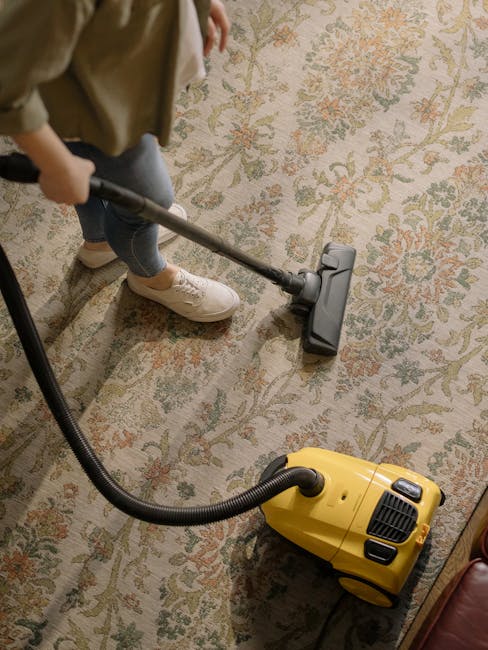
Layer 1: Dry soil removal. This is the most important one. Sand, dust, crumbs, and pet debris act like fine abrasives. When people walk over them, they grind into the fibres. That is what causes dullness and flattening. Vacuuming properly is the first defence.
Layer 2: Spot treatment. Spills should be dealt with quickly and calmly. Not scrubbed like mad. Blot, lift, and use the right cleaner for the stain type. If you smash a stain deeper into the pile, it often becomes harder to remove later. Carpets are a bit dramatic that way.
Layer 3: Periodic deep cleaning. Even a well-kept carpet needs a deeper clean from time to time. Methods vary, but hot-water extraction, low-moisture systems, and specialist stain treatment are common approaches. The right method depends on fibre type, backing, dye stability, and how soiled the carpet is.
Layer 4: Prevention. Mats at entrances, shoe habits, furniture rotation, and sensible spill rules all slow down wear. The best carpet care is usually the boring kind, to be fair. But boring works.
If you are looking at the bigger picture and comparing surfaces or room-by-room upkeep, it can also help to think about upholstery and rugs as part of the same cleaning system. For example, a sofa in the same room can hold odours and dust that make the carpet feel less fresh, even after cleaning. In that case, the sofa cleaning service and rug cleaning support can complement the carpet work nicely.
Key Benefits and Practical Advantages
Good carpet care is not just about appearances. It changes how a home or workspace feels and functions day to day.
| Benefit | What it means in real life | Why it matters in SW15 |
|---|---|---|
| Longer carpet life | Fibres stay healthier and less matted | Helps protect the investment in a busy London property |
| Better indoor freshness | Less trapped dust and odour | Useful in homes with pets, children, or regular visitors |
| Improved appearance | Rooms look brighter and tidier | Important for rentals, home sales, and client-facing premises |
| Less stain spread | Spills are handled before they settle | Handy for hallways, dining areas, and entrance routes |
| Lower maintenance stress | Cleaning becomes easier overall | Good routines reduce emergency call-outs and panic cleaning |
A well-maintained carpet also supports comfort. There is something about walking into a room where the fibres still have a little spring in them. It feels looked after. That sounds small, but it changes how people judge a property almost immediately.
For businesses, especially, carpet care can contribute to a more professional first impression. In commercial settings, a worn-looking entrance or meeting room can quietly undermine the whole feel of the space. That is where commercial carpet cleaning becomes worth considering alongside routine maintenance.
Who This Is For and When It Makes Sense
This guide is useful for a few different people, and each group has slightly different priorities.
- Homeowners who want cleaner carpets without overdoing chemical use or causing fibre damage.
- Tenants who want to keep a property presentable and avoid avoidable cleaning disputes at move-out.
- Landlords and letting agents who need reliable upkeep between occupancies.
- Families dealing with food spills, foot traffic, school shoes, and the occasional messy weekend.
- Pet owners who need odour and stain control that does not just mask the problem.
- Small businesses with reception areas, meeting spaces, or back-office carpets that must look professional.
It also makes sense if you are noticing any of the following:
- vacuuming does not seem to lift everything any more
- the carpet looks darker in traffic lanes
- odours linger after cleaning the room
- spots return after drying
- the pile feels sticky or rough underfoot
If any of that sounds familiar, the carpet is probably telling you it wants a bit more than routine vacuuming. Nothing dramatic. Just attention. A proper one, not a half-hearted once-over while the kettle boils.
Step-by-Step Guidance
Here is a practical approach that works well for homes and small premises along Upper Richmond Road and nearby Putney streets.
1. Identify the carpet type first
Before you clean anything, work out whether the carpet is wool, synthetic, or a blend. Why? Because cleaning methods, drying times, and chemical sensitivity can differ. Wool in particular can react badly to aggressive heat or the wrong product. If you are unsure, check the label, invoice, or any property records. If none of that exists, test carefully in a hidden corner.
2. Vacuum thoroughly and slowly
Do not rush this part. Slow passes are usually better than a quick dash across the room. Focus on entry points, hallways, stairs, and furniture edges. These are the places where dust hides and the pile gets flattened first. If there is a visible pattern in the carpet, run over it from more than one direction. You will notice the difference.
3. Deal with fresh spills immediately
Fresh spills are always easier than old ones. Blot with a clean white cloth or paper towel. Work from the outside in. Avoid rubbing, which tends to spread the spill and rough up the fibres. If the liquid is oily or sugary, you may need a suitable spot cleaner. Keep it mild until you know what the stain is. Unknown stain plus strong chemical equals potential regret. Usually.
4. Use the right spot treatment
Different stains need different approaches:
- Food and drink: blot, then use a carpet-safe cleaner sparingly.
- Mud: let it dry first, then vacuum before treating any residue.
- Pet accidents: remove moisture, clean thoroughly, and address odour at source.
- Grease: use a method suitable for oil-based stains, not just water.
- Ink or dye: test carefully and avoid aggressive rubbing.
If odour is part of the issue, particularly with pets, a specialist approach can help more than a standard clean. That is where pet stain odour removal becomes relevant.
5. Deep clean at sensible intervals
How often? It depends on use. A busy household or commercial area may need a deeper clean more often than a quiet bedroom. Look for signs rather than relying on a rigid calendar alone. If the carpet has become dull, smells stale, or starts to hold marks, that is your cue.
6. Let the carpet dry properly
Drying matters as much as cleaning. A carpet that stays damp too long can feel unpleasant and may encourage musty smells. Open windows if weather allows, improve airflow, and avoid putting furniture back too soon. If you are in a rush, that is when "just this once" tends to become "why does it smell a bit odd in here?"
7. Reset the room afterwards
Once dry, vacuum again to restore the pile and remove any loosened residue. Then put furniture back with felt pads or protective tabs if needed. A little finishing touch goes a long way, especially in high-traffic rooms.
Expert Tips for Better Results
Some carpet care advice sounds obvious, but the small details are where better results usually come from.
- Use entrance mats properly. Not just for decoration. They work best when they are large enough to catch dirt before it spreads indoors.
- Vacuum more often than you think you need to. Especially in hallways and rooms used every day.
- Rotate furniture periodically. This helps reduce permanent crushing in one spot.
- Keep a simple stain kit handy. A clean cloth, mild cleaner, and a little patience save a lot of hassle.
- Test cleaners before using them widely. Hidden patch first. Always.
- Blot, then lift. Scrubbing usually makes things worse.
- Mind the edges and corners. Dirt collects there more than people realise.
One practical trick we often suggest: if a room is used heavily at certain times of day, check how the carpet looks in natural daylight. Evening lamps can hide residue, while daytime light can show dullness or tracking much more clearly. Small thing, but useful.
Expert summary: The best carpet care is a mix of routine vacuuming, careful stain response, and occasional deep cleaning. If one of those three is missing, the other two end up working harder than they should.
If you also have curtains or upholstery in the same space, cleaning them around the same time can make the room feel genuinely refreshed. The carpet stops carrying the whole job on its own. For that broader refresh, the curtain cleaning and upholstery cleaning pages may be helpful.
Common Mistakes to Avoid
This is where people often go wrong, and to be fair, the mistakes are understandable. You want the stain gone, so you move fast. But fast is not always smart.
- Scrubbing hard. This pushes stain deeper and can damage the pile.
- Using too much water. Over-wetting leads to long drying times and possible wick-back, where stains reappear after drying.
- Applying random products. One cleaner for everything is rarely the answer.
- Ignoring the carpet type. Wool and synthetics do not always like the same treatment.
- Leaving spill treatment until later. "Later" often means "set in."
- Reusing dirty cloths. That just spreads the mess around.
- Skipping vacuuming before wet cleaning. Loose grit turns into muddy residue.
Another common issue is trying to remove a stain with hot water because it feels more powerful. Sometimes it helps, sometimes it fixes nothing, and sometimes it sets the stain. Bit of a gamble, really. When in doubt, gentler is safer.
Tools, Resources and Recommendations
You do not need a huge kit to look after carpets well. A few sensible tools cover most day-to-day needs.
- Vacuum cleaner with good suction and a brush setting suitable for your carpet type
- Microfibre cloths for blotting spills
- White paper towels for initial spill lift
- Carpet-safe spot cleaner for routine stains
- Soft brush for gently loosening dry debris
- Protective pads for furniture legs
- Door mats for front and back entrances
If you are weighing up professional cleaning, it can help to compare service scope rather than looking at price alone. For example, some jobs are really about stain removal, while others need deeper fibre care. If price and planning are part of your decision, the pricing and quotes page offers a useful starting point.
For properties where cleanliness and materials matter equally, you might also look at related services such as mattress cleaning or stain removal. They are not replacements for carpet maintenance, of course, but they do fit into the same general upkeep routine.
Law, Compliance, Standards, or Best Practice
For most household carpet care, there is no special legal requirement beyond using products safely and following any instructions on the label. Still, in homes and businesses alike, best practice matters because cleaning products, electrical equipment, and slip risk all need sensible handling.
In practical terms, that means:
- following manufacturer guidance for cleaning products and equipment
- making sure rooms are ventilated when using wet cleaning methods
- keeping floors safe while they are drying
- using appropriate PPE if a task involves stronger chemicals or repeated exposure
- storing cleaning products out of reach of children and pets
For commercial properties, health and safety expectations are usually more formal. Wet floors, trip hazards, and manual handling should be considered carefully. Good contractors will normally have a clear approach to safety, equipment care, and insurance. If that matters to you, it is worth reviewing the relevant health and safety policy and insurance and safety information.
There is also a standards angle in the sense of workmanship. A decent result should leave the carpet clean, not over-wet, not sticky, and not damaged. That sounds simple, but it is the difference between a proper clean and a rushed one. If you are hiring help, ask about cleaning method, drying expectations, and stain limitations before the job starts. Saves awkwardness later.
Options, Methods, or Comparison Table
Not every carpet needs the same treatment. Here is a straightforward comparison of common approaches.
| Method | Best for | Advantages | Watch-outs |
|---|---|---|---|
| Routine vacuuming | Daily dust and debris | Simple, low cost, essential maintenance | Won't remove set-in stains or deep soil |
| Spot cleaning | Fresh spills and isolated marks | Fast, targeted, practical | Can spread stains if done badly |
| Hot-water extraction | Heavily used carpets and deeper soil | Thorough, often effective on embedded grime | Needs drying time and correct technique |
| Low-moisture cleaning | Areas needing quicker turnaround | Less drying time, convenient for some settings | May be less effective on certain heavy soils |
| Specialist stain treatment | Problem stains or odours | More targeted and often more successful | Results depend on stain type and how long it has been there |
If you are unsure which route makes sense, start with the carpet's age, fibre type, and how the room is used. A quiet spare room is not the same as a hallway by the front door. Obvious, perhaps, but easy to forget when you are standing there holding a spray bottle.
Case Study or Real-World Example
A common Putney scenario goes like this: a family on or near Upper Richmond Road has a light-coloured lounge carpet that looked fine at first glance, but over a couple of months it starts to seem dull around the sofa and doorway. There is no single big stain. Just a general tiredness. The room feels a bit flat.
The first step is usually a proper vacuum, especially along edges and under the front of furniture. In many cases, that already lifts a surprising amount of grit. Then a couple of old splash marks near the coffee table are treated carefully rather than attacked. After that, the family arranges a deeper clean and leaves plenty of drying time before moving the furniture back.
What changed? The carpet did not become brand new, obviously. But the room looked lighter, the pile stood up better, and the space felt cared for again. That is often the real goal. Not perfection. Just a good, honest reset.
In another typical case, a small office uses carpeted meeting rooms and sees the same traffic lane building up at the entrance. Regular maintenance plus periodic professional support keeps the space presentable without waiting for the carpet to become visibly tired. Small, boring routine. Works a treat.
Practical Checklist
Use this checklist before and after any carpet care session:
- Identify the carpet fibre and any care instructions
- Vacuum thoroughly before using water or cleaner
- Blot spills instead of rubbing
- Test any product in a hidden area first
- Use the smallest effective amount of moisture
- Allow proper drying time with good airflow
- Vacuum again once fully dry
- Check for any remaining marks or odours
- Protect furniture legs if replacing items on the carpet
- Schedule the next deep clean before the carpet starts looking tired again
If you can tick those off, you are already ahead of a lot of people. Honestly, most carpet problems come down to skipping one or two of these basics.
Conclusion
Good carpet care on Upper Richmond Road and across Putney SW15 is not about fancy products or overcomplicated routines. It is about steady habits, quick action on spills, and knowing when a deeper clean is the sensible next step. Once you understand the carpet type, the traffic level, and the usual problem spots, maintenance becomes much easier.
Start with vacuuming done properly. Treat stains gently. Let the carpet dry fully. Then keep an eye on the areas that take the most wear. That simple rhythm goes a long way, and in a busy London home or workplace, it makes life noticeably easier.
If you are weighing up whether it is time for a professional clean, or you just want clearer guidance on the best next step for your property, explore the service information and make the choice that suits your carpet, your room, and your routine.
Get a free quote today and see how much you can save.
Sometimes the most satisfying part is not the cleaning itself, but walking back into the room afterwards and thinking, yes, that feels better.
Frequently Asked Questions
How often should carpets on Upper Richmond Road be cleaned?
It depends on use. High-traffic hallways, family living rooms, and commercial areas usually need more frequent attention than spare rooms. Regular vacuuming should happen far more often than deep cleaning, and a professional clean may be sensible once the carpet starts to look dull or hold odours.
What is the best way to deal with a fresh carpet spill?
Blot it immediately with a clean cloth or paper towel, working from the outside of the spill inward. Avoid rubbing, because that spreads the stain and can damage the fibres. Once most of the moisture is lifted, use a carpet-safe treatment only if needed.
Can I use washing-up liquid on carpet stains?
Sometimes a tiny amount in diluted form may be used cautiously on certain synthetic carpets, but it is not a universal fix. Too much can leave residue that attracts dirt. If you are unsure, a dedicated carpet cleaner is usually the safer choice.
Why does my carpet look dirty even after vacuuming?
Vacuuming removes loose dirt, but it will not shift embedded soil, residue, or set-in stains. If the carpet still looks dull, it may need spot treatment or a deeper clean. Traffic lanes and edge build-up are common culprits.
How do I remove pet smells from carpet?
Start by dealing with the source of the odour, not just the surface. Clean the affected area thoroughly and allow it to dry fully. If the smell has soaked in, specialist pet stain and odour treatment is often more effective than a standard quick clean.
Is steam cleaning safe for all carpets?
Not always. Steam or hot-water extraction can be effective, but some carpets, especially delicate fibres, need careful handling. Always check the carpet type and test an inconspicuous area first if you are unsure.
How long does carpet take to dry after cleaning?
Drying time varies depending on the method used, ventilation, humidity, and how much moisture was applied. A well-managed clean should not leave the carpet soaked, but you should still allow proper drying before replacing furniture or walking heavily on the area.
What are the signs a carpet needs professional attention?
Look for lingering odours, visible traffic lanes, repeated stain return, flattened pile, or a general dull appearance that vacuuming does not fix. Those are all signs the carpet needs more than routine upkeep.
Can professional cleaning help with old stains?
Often yes, but success depends on the stain type, how long it has been there, and what products were used on it before. Some stains can be greatly improved, while others may only fade. Honest expectation is important here.
What should I ask before booking a carpet cleaning service?
Ask what cleaning method will be used, how long drying usually takes, whether they handle pet stains or odours, and how they protect furniture and flooring during the job. It is also sensible to ask about insurance and any relevant safety procedures.
Are commercial carpets different from domestic carpets?
Yes, mainly in the amount of use they get and the standards expected for presentation. Commercial carpets often need more frequent cleaning and a plan that minimises disruption to staff or visitors. The approach should suit the setting, not just the carpet.
What is the easiest way to keep carpets looking good between deep cleans?
Vacuum regularly, use mats at entrances, address spills quickly, and rotate furniture when possible. Those habits do most of the heavy lifting. Simple, but effective. And usually enough to stop the carpet from quietly giving up on you.